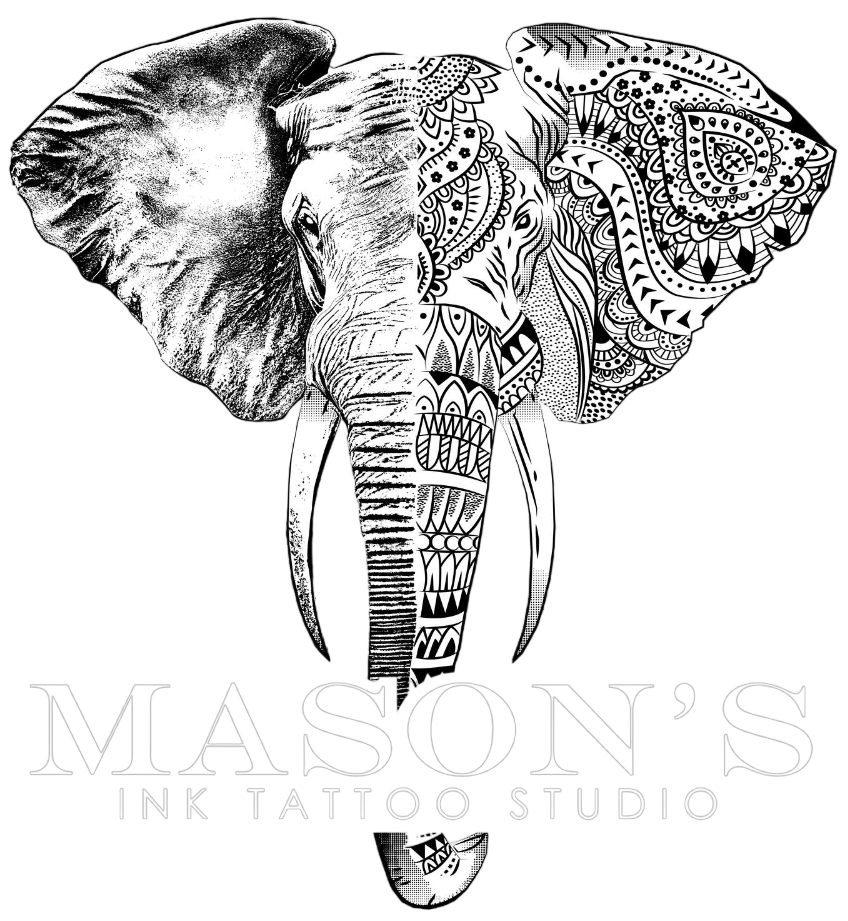


Designing a tattoo is one of the most exciting parts of your tattoo journey. Whether you’re planning your very first tattoo or adding another piece to your collection, learning how to design a tattoo helps you create artwork that is meaningful, visually striking, and timeless.
A great tattoo combines personal meaning with professional artistry. While inspiration can come from anywhere—nature, memories, culture, or personal milestones—a professional tattoo artist can transform your ideas into a design that complements your body and ages beautifully.
Today, tattoo design has become easier than ever. Digital sketching apps, AI-assisted design tools, and online inspiration galleries allow you to experiment with concepts, placements, and sizes before stepping into the studio.
In this guide, you’ll learn everything you need to know about designing a tattoo, including choosing a style, selecting the right placement, avoiding common mistakes, and working with a professional tattoo artist.
Is It a Good Idea to Design Your Own Tattoo?
Absolutely.
Designing your own tattoo is one of the best ways to create a piece of body art that is unique and deeply personal. Your tattoo should tell your story, represent your values, or commemorate an important moment in your life.
However, creating the initial concept is only the first step.
Professional tattoo artists understand how artwork behaves on skin. They can improve your design by adjusting proportions, simplifying unnecessary details, selecting the right line thickness, and ensuring the tattoo will age well over time.
Think of your idea as the blueprint and your tattoo artist as the expert who transforms it into a lasting masterpiece.
Things to Consider When Designing a Tattoo
Before finalizing your tattoo design, consider these important factors.
1. Choose a Meaningful Concept
The best tattoos have personal significance.
Ask yourself:
- What story do I want to tell?
- Is there a memory I want to preserve?
- Does this design represent my personality?
- Will this tattoo still be meaningful years from now?
Meaningful tattoos often remain satisfying long after trends fade.
2. Pick the Right Placement
Tattoo placement affects both appearance and comfort.
Popular tattoo locations include:
- Forearm
- Upper arm
- Chest
- Shoulder
- Back
- Rib cage
- Hand
- Leg
- Calf
- Thigh
When choosing placement, consider:
- Visibility
- Pain level
- Professional environment
- Body movement
- Future tattoo plans
An experienced artist can recommend the best placement based on your design.
3. Consider Size and Detail
Size directly impacts how much detail your tattoo can include.
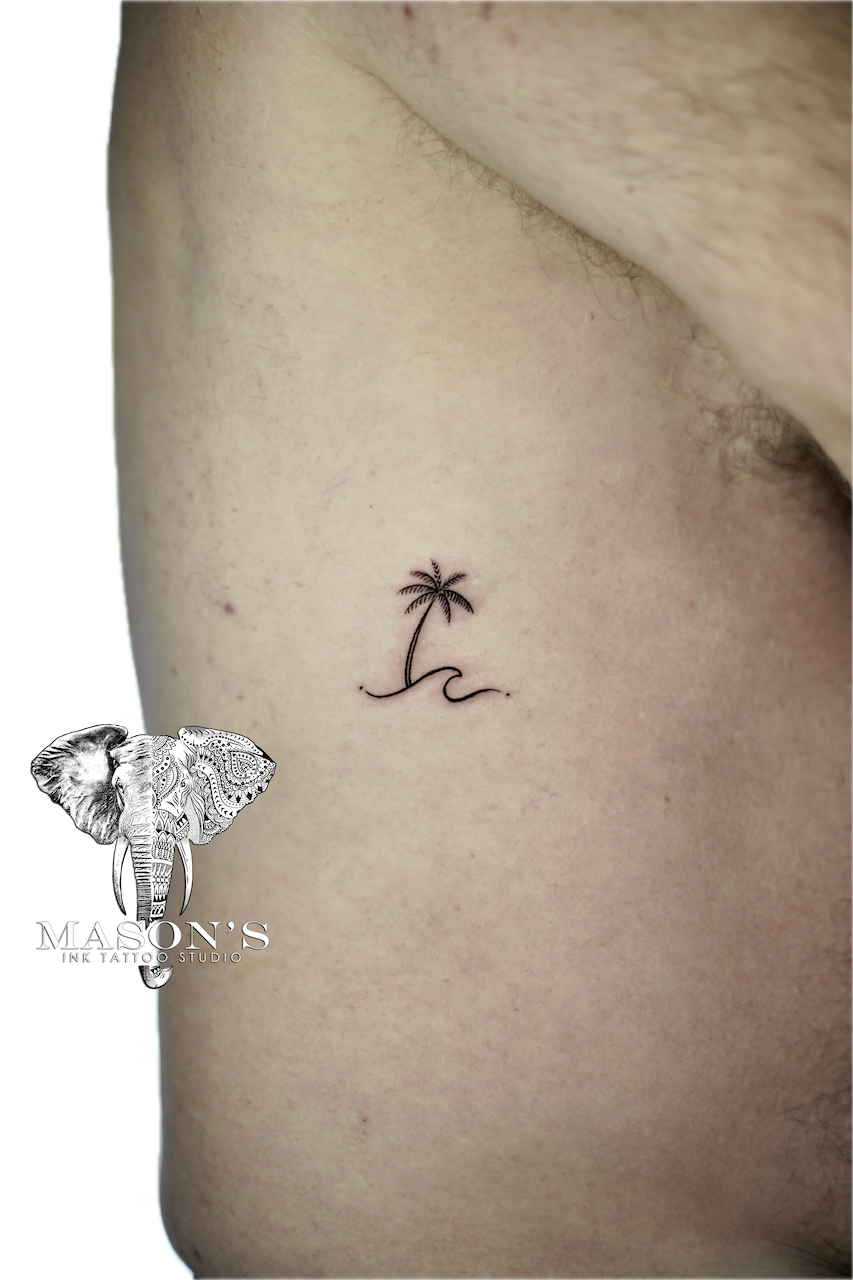
Small tattoos work well for:
- Symbols
- Fine line artwork
- Minimalist designs
- Initials
- Small flowers
Large tattoos are better for:
- Portraits
- Japanese sleeves
- Realism
- Full back pieces
- Complex geometric artwork
Avoid making detailed designs too small, as tiny elements may blur over time.
4. Decide Between Color or Black & Grey
Both options offer unique advantages.
Black & Grey Tattoos
- Classic appearance
- Excellent longevity
- Timeless style
- Lower maintenance
- Works well with realism and fine line tattoos
Color Tattoos
- Vibrant and eye-catching
- Great for Japanese and illustrative designs
- Creates stronger visual contrast
- Requires more protection from sun exposure
Your artist can recommend the best approach based on your skin tone and design.
5. Choose a Tattoo Style
One of the biggest decisions when designing a tattoo is selecting the artistic style.
Each tattoo style creates a completely different look, even when using the same subject.
6. Think About the Future
A tattoo is permanent.
Before committing, ask yourself:
- Will I still love this design in ten years?
- Is it based on a temporary trend?
- Will it still look good as my skin changes?
Timeless designs generally provide greater long-term satisfaction than trend-driven artwork.
Popular Tattoo Design Styles
Choosing the right tattoo style is just as important as choosing the design itself.
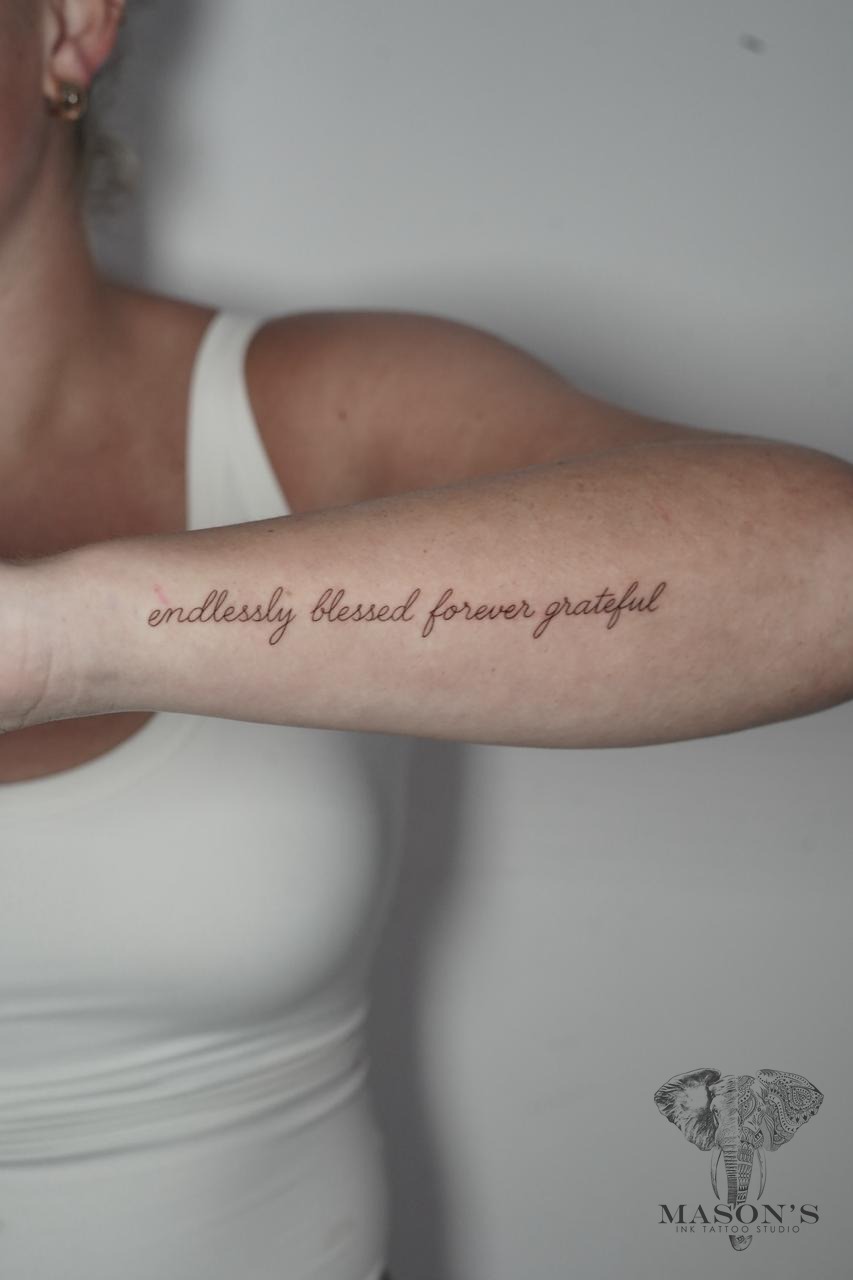
Fine Line Tattoos
Fine line tattoos use delicate, precise lines to create elegant artwork.
Perfect for:
- Flowers
- Animals
- Minimalist tattoos
- Script
- Small meaningful symbols
Realism Tattoos
Realism tattoos recreate photographs and real-life subjects with incredible detail.
Common realism subjects include:
- Portraits
- Wildlife
- Nature
- Religious artwork
- Architecture
These tattoos require an experienced artist with advanced shading techniques.
Traditional Tattoos
Traditional (Old School) tattoos are known for:
- Bold outlines
- Limited color palette
- Classic imagery
- Strong visual impact
Popular traditional designs include:
- Roses
- Eagles
- Daggers
- Ships
- Skulls
Neo-Traditional Tattoos
Neo-Traditional expands on classic tattooing by adding:
- Rich color palettes
- Greater detail
- Softer shading
- Modern artistic influences
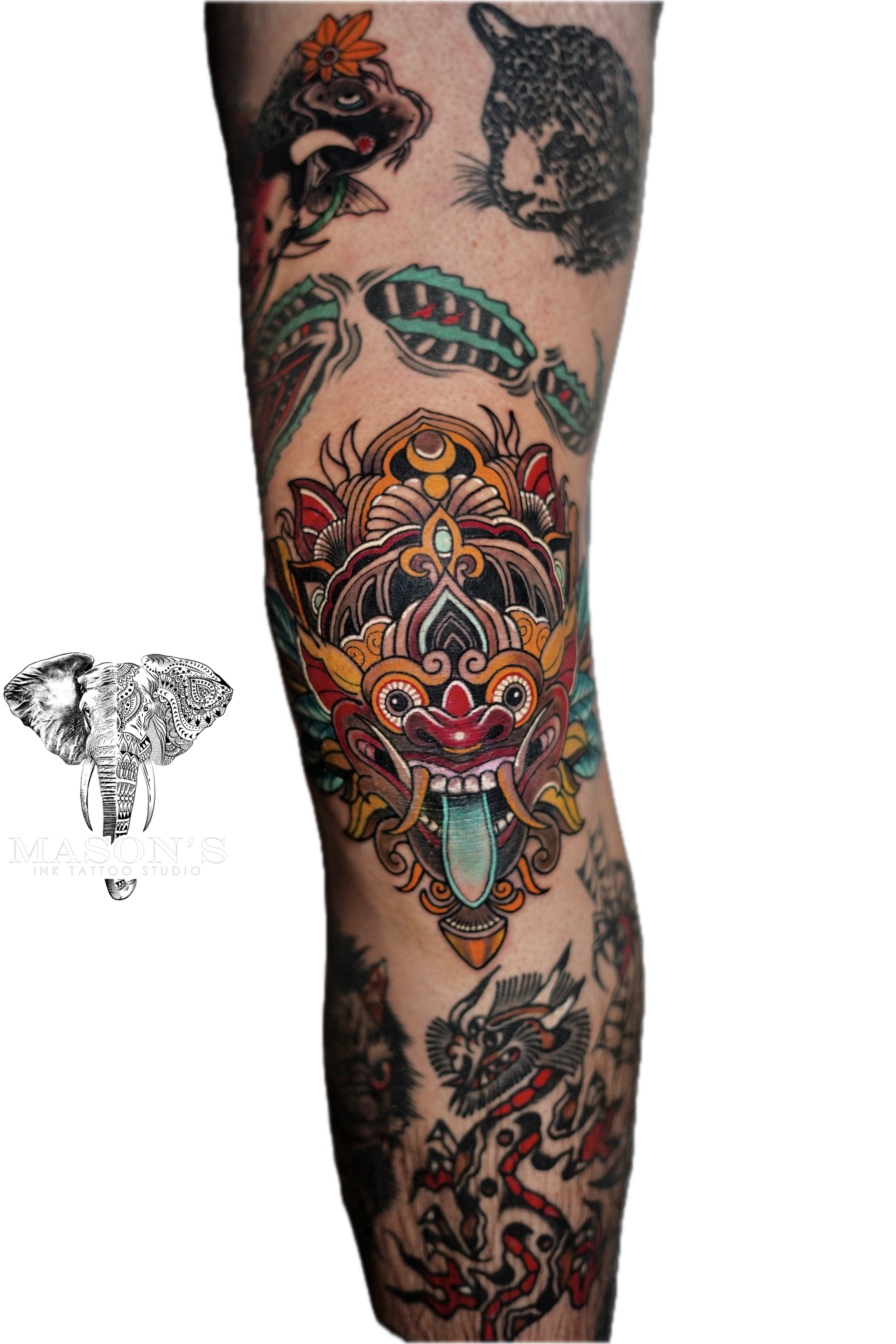
Japanese Tattoos
Japanese tattoos (Irezumi) feature storytelling through iconic imagery such as:
- Koi fish
- Dragons
- Tigers
- Phoenix
- Samurai
- Cherry blossoms
These large-scale tattoos often cover sleeves, backs, and legs.
Geometric Tattoos
Geometric tattoos use symmetry, patterns, and mathematical precision.
Popular choices include:
- Sacred geometry
- Mandalas
- Animals
- Abstract shapes
Blackwork Tattoos
Blackwork tattoos rely on solid black ink to create dramatic visual contrast.
This style includes:
- Bold patterns
- Heavy linework
- Abstract artwork
- Decorative designs
Tribal Tattoos
Inspired by ancient cultures, tribal tattoos feature bold black patterns that often symbolize heritage, strength, spirituality, or personal identity.
Biomechanical Tattoos
Biomechanical tattoos blend machinery with anatomy to create futuristic artwork that appears integrated beneath the skin.
Abstract Tattoos
Abstract tattoos focus on creativity rather than realism.
They combine colors, shapes, textures, and movement to create unique artistic expressions.
How to Design a Tattoo with Your Artist
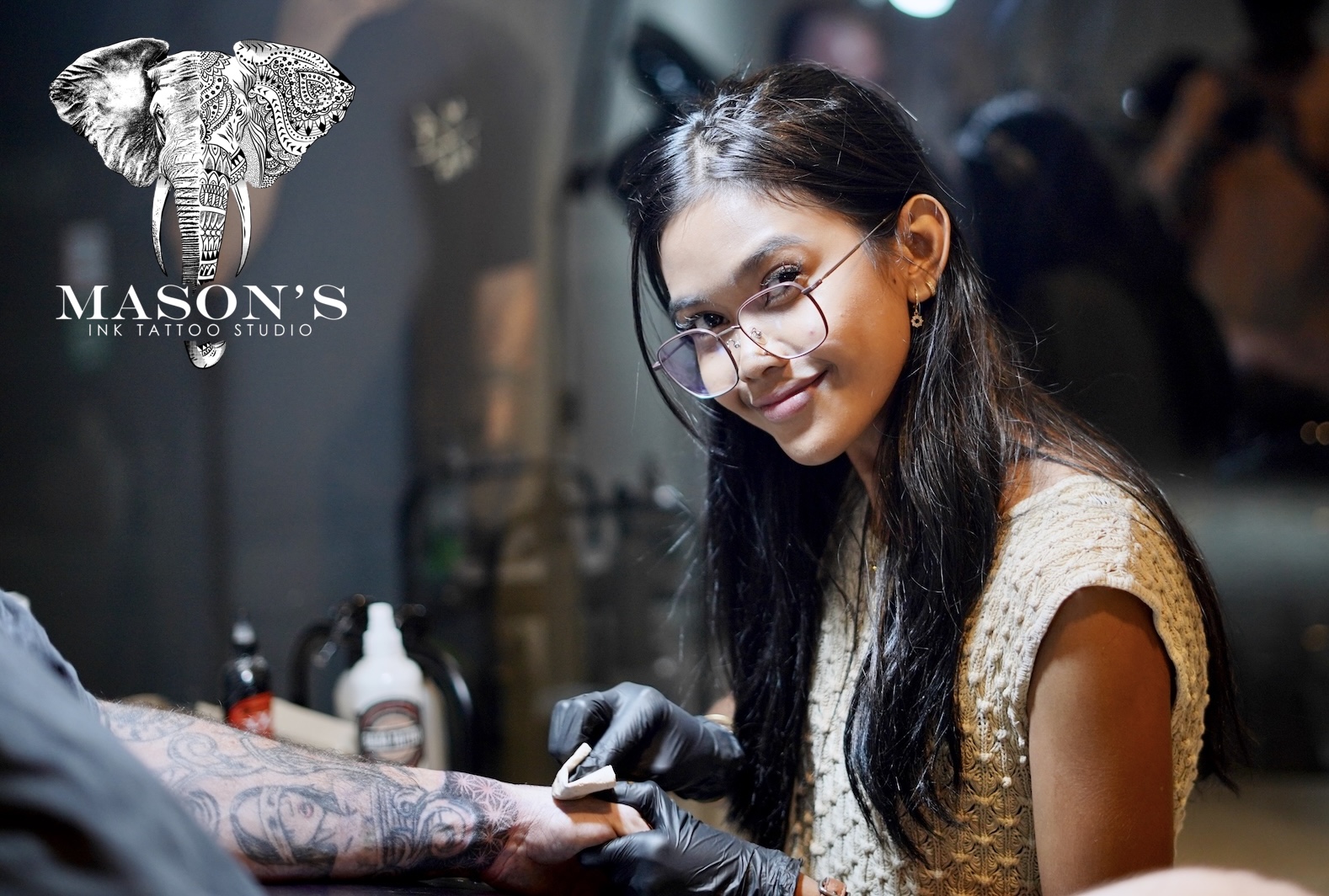
Even if you have a clear idea, collaboration is key.
A professional tattoo consultation usually includes:
- Discussing your inspiration
- Reviewing reference images
- Selecting the tattoo style
- Choosing placement
- Adjusting proportions
- Refining the final sketch
Your tattoo artist may recommend modifications that improve readability, balance, and long-term durability.
Trusting their expertise often results in a significantly better tattoo.
Common Tattoo Design Mistakes to Avoid
Many people make avoidable mistakes during the design process.
Try to avoid:
- Copying someone else’s tattoo exactly
- Choosing a design only because it’s trendy
- Adding too many small details
- Ignoring body placement
- Selecting an inexperienced tattoo artist
- Prioritizing price over quality
Remember, tattoos last a lifetime, so quality should always come first.
Why Choose Mason’s Ink for Your Custom Tattoo in Bali?
At Mason’s Ink, every tattoo begins with your story.
Our experienced tattoo artists work closely with each client to create fully customized designs that match their personality, vision, and anatomy. From minimalist fine line tattoos to large Japanese sleeves and photorealistic artwork, we focus on delivering exceptional craftsmanship in a clean, professional, and welcoming environment.
Whether you’re visiting Bali for a tattoo holiday or you’re a local looking for a trusted tattoo studio, our artists are here to guide you through every step—from consultation and custom design to aftercare.
Ready to bring your idea to life? Book a consultation with Mason’s Ink and let our artists create a tattoo you’ll be proud to wear for years to come.
Frequently Asked Questions
How do I design my own tattoo?
Start with a meaningful idea or symbol, then decide on the style, size, and placement. Gather reference images and work with a professional tattoo artist to refine the design into artwork that suits your body and will age well.
Are there apps for designing tattoos?
Yes. Many tattoo design apps let you experiment with artwork, placement, and sizing using virtual previews. These tools are helpful for brainstorming, but your tattoo artist should always create the final design for the best results.
What makes a good tattoo design?
A great tattoo design is meaningful, visually balanced, appropriate for the chosen body placement, and created with longevity in mind. It should complement your anatomy and remain clear and attractive as it ages.
How do I choose the right tattoo style?
Consider the look you want and the subject of your tattoo. Fine line tattoos suit minimalist designs, realism is ideal for portraits, Japanese tattoos tell detailed stories, while traditional tattoos offer bold, timeless artwork. Reviewing an artist’s portfolio can help you find the style that best matches your vision.
How long should I spend planning a tattoo?
Take as much time as you need. A tattoo is permanent, so it’s worth carefully considering the design, placement, artist, and style before booking your appointment.